
 |
Charlotte Stonestreet
Managing Editor |
| Home> | CONTROLS | >Flow Control | >Energy saving with process valves |
Energy saving with process valves
10 October 2015
By assessing an existing process control structure and looking at alternatives, it is almost always possible to identify areas for improvement and start a program of worthwhile energy saving initiatives, asserts Bürkert.
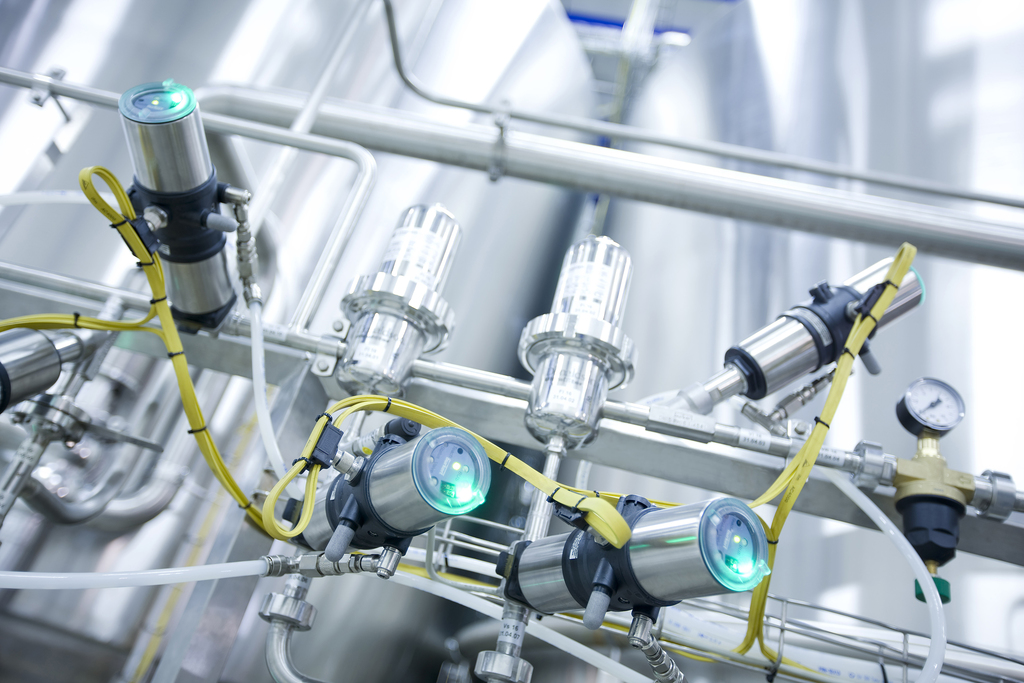
Bürkert has developed a range of valve controllers specifically for use in the food, beverage and pharmaceutical industries. These valve units provide a distributed method of opening and closing of process valves automatically, thereby eliminating the need for the wasteful venting of control air, normally associated with pneumatic tubing between the process valve and its related control solenoid valve.
The valve controller is mounted directly above the valve body. This close coupling means that there is little or no distance between the actuator and the valve that it is piloting and this in turn means that there is no air bleed. The unit is completely sealed and so the energy from the compressed air is not wasted, reducing the energy requirements of the process.
- Keeping control valves clean
- Hydroformed diaphragm valve bodies
- Fuel-cell race car relies on Bürkert valve technology
- Don’t let ATEX restrict your plans
- Kempston Controls becomes Midlands distributor for Bürkert valves
- Achieving food standards compliance
- Process control valves – making the right choice
- Health care case study
- Intelligent valve positioner designed for hygienic process environments
- Sustainability matters
- REGULATE FLOW
- FLOW CONTROL PRODUCT SEALS
- Verify Flow Controllers
- FUEL SAVINGS OF UP TO 30%
- ACCURATE POSITIONAL PERFORMANCE
- LARGE VALVE POSITIONER
- Fuel-cell race car relies on Bürkert valve technology
- Affordable Valve Management
- Multi-Finction Filtration Controller
- Air Flow & Pressure Switching Point Adjustment
 |


